Ayurvedic Therapy
Basti Therapy in Panchakarma
Basti therapy is one of the five treatments from Panchakarma therapy. The role of Panchakarma therapy is to cleanse the body of toxins and restore your health and wellness. The Panchakarma therapy consists of five ayurvedic treatments, each meant to cure a unique symptom.
Basti therapy is an important part of ayurvedic treatments, helping to treat a number of ailments including constipation, low back pain, rheumatism, gout, arthritis, hemiplegia, and more. To learn more about basti therapy, continue with our blog. In this blog, we will discuss the benefits, types, and processes of basti therapy, in addition to more.
Basti Therapy
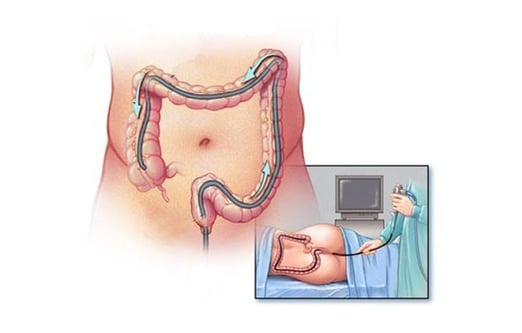
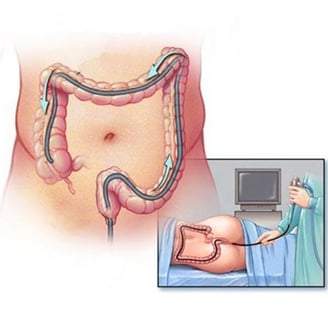
As briefly mentioned above, Basti therapy is a part of the Ayurvedic Panchakarma therapy. Basti in Ayurveda is considered to be the most effective and important therapy in panchakarma for removing toxins from the body. In this therapy, medicated ghee, herbal oils, or any other medical fluid is introduced into the rectum for better delivery to the colon.
This procedure not only improves colon health but has far-reaching benefits for your health. Basti therapy helps in the complete and healthy elimination of faeces, urine, bile, and other excreta from the small and large intestines, which reduces the likelihood of various diseases.
Different Types Of Basti Therapies
Anuvasana Basti (Oil Enema): Anuvasana Basti, also known as Sneha Basti is the administration of oil or ghee. It offers appropriate lubrication to the intestine and the colon and helps with frequent constipation. In escalating doses, Anuvasana Basti can be an effective alternative to Snehapana.
Niruha Basti (Decoction Enema): In Niruha Basti, a trained practitioner safely administers a decoction of herbal tea into the rectum. The decoction is kept for a few minutes or half an hour to allow the body to remove toxins accumulated.
Matra Basti (Small Enema): Matra Basti improves the colon’s function and strengthens the digestive tract. It can be used to lubricate the large intestine or performed to prepare the colon for other Basti karma.
Ksheera Basti (Milk Enema): Ksheera Basti is meant to nourish your digestive tract and improve immunity and health. This type of Basti therapy uses milk with a mixture of medications to relieve constipation and chronic stomach pain.
Yogavasti (Yogic Enema): In Yogavasti, commonly known as Yogic Enema, the patient must sit partially submerged in water in a yogic position. This helps the intestine to suck in the water and then throw it out to help remove the waste.
The Benefits Of Basti Treatment
1. Internal Nourishment
Basti treatments such as Ksheera Basti and Yogavasti can help in the nourishment of the body. As Basti directly affects the colon, the nourishment from the medicated concoctions can reach deep within the body. Internal nourishment also helps to improve immunity.
2. Detoxification
Basti therapy helps to eliminate the toxins and Vata dosha accumulated in the colon. The colon is the most prominent place for bacteria and a number of diseases to thrive. By directly affecting the colon, Basti effectively removes harmful toxins.
3. Digestive Health
Most patients who seekAyurvedic Basti treatmentare suffering from some form of digestive problem. Basti treatment can effectively cure a number of digestive issues such as constipation, flatulence, bloating, and indigestion. It helps in healthy and regular bowel movements and promotes digestive health.
4. Nervous System Support
Basti therapy is an effective remedy for stress, anxiety, and mental tension. By helping to reduce these mental health problems, it ensures a strong and healthy nervous system.
5. Pain Relief
By helping to attain proper bowel movements, Basti therapy can also help patients facing chronic and frequent stomach aches. Proper detoxification also reduces the chances of inflammation.
Cupping Therapy
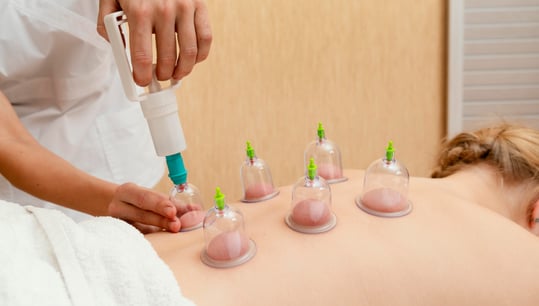
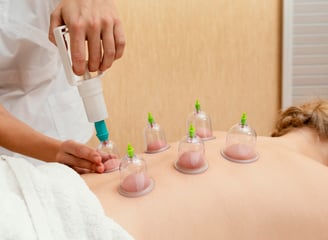
Cupping therapy is an ancient form of alternative medicine in which a therapist puts special cups on your skin for a few minutes to create suction. People get it for many purposes, including to help with pain, inflammation, blood flow, relaxation and well-being, and as a type of deep-tissue massage.
Acupressure Points


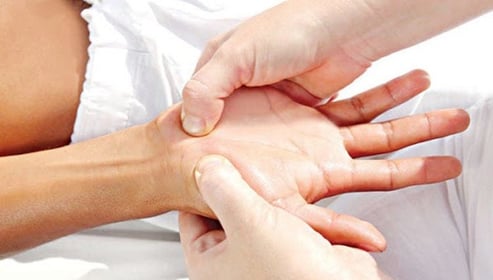
Acupressure is said to help with a range of conditions, from motion sickness to headache to muscle pain. TCM practitioners say acupressure benefits are achieved by using pressure points along the energy pathways in the body, to encourage the free flow of energy, or qi.
Acupressure Points?
There are 361 pressure points on 14 meridians. The points are the same as those used in acupuncture.3
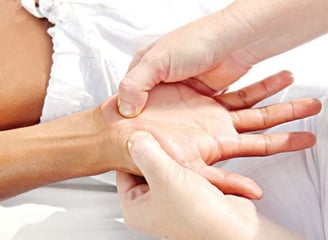
For example, the pressure point Neiguan (P-6) is primarily used to treat nausea and vomiting. To find it, turn your hand palm up.4 Place your thumb at the center of where the hand meets the wrist. Move your thumb two finger-widths toward the elbow. The point is between two large tendons, which you should be able to feel as you apply pressure.
FOOT DETOX
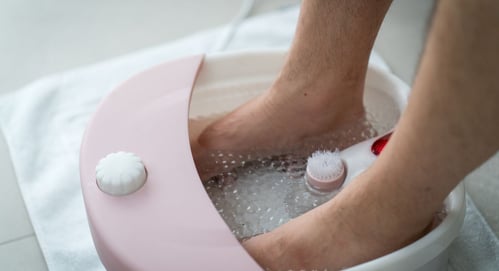
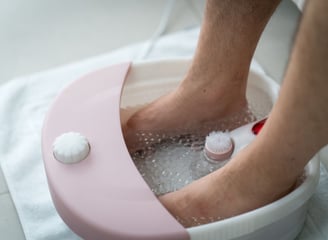
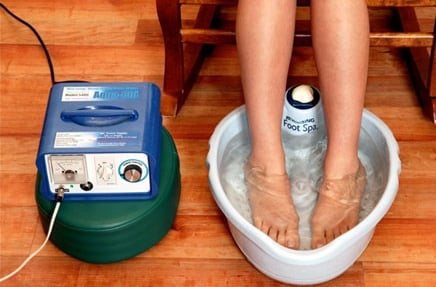
Benefits from using a Foot Detox Spa machine:
Increased energy
Better blood circulation
Improved skin texture
Relief from general aches and pains
Relaxation effect
Sleep more soundly
Blood Pressure


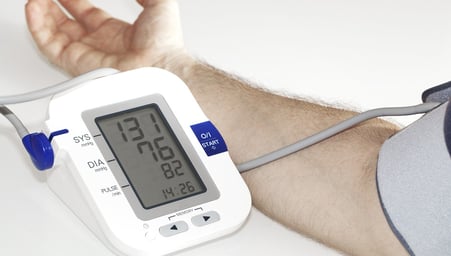
A blood pressure test is a routine part of most health care checkups. Blood pressure screening is an important part of general health care.
How often you should get your blood pressure checked depends on your age and overall health.
People age 18 and older with optimal blood pressure and no heart disease risk factors should have a blood pressure test at least once every 2 to 5 years.
People age 40 and older — or younger with an increased risk of high blood pressure — should have a blood pressure test every year. Risk factors for high blood pressure include obesity and being Black.
People who have chronic health conditions, such as high or low blood pressure or heart disease, may need to have blood pressure tests more often.
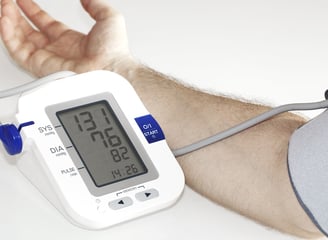
Blood Oxygen Levels & Pulse
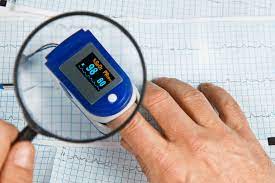

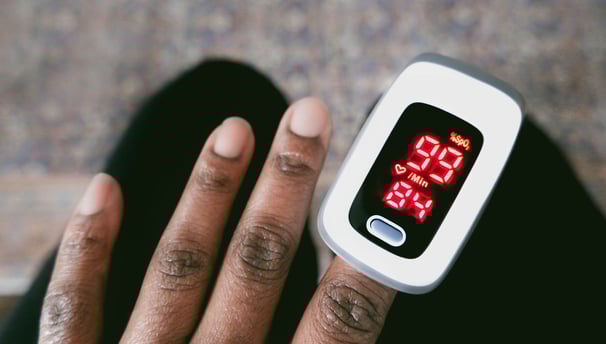
A pulse oximeter measures your blood oxygen levels and pulse. A low level of oxygen saturation may occur if you have certain health conditions. Your skin tone may also affect your reading.
Purpose and uses
The purpose of pulse oximetry is to see if your blood is well oxygenated.
Medical professionals may use pulse oximeters to monitor the health of people with conditions that affect blood oxygen levels, especially while they’re in the hospital.
These can include:
chronic obstructive pulmonary disease (COPD)
asthma
pneumonia
lung cancer
anemia
heart attack or heart failure
congenital heart disease